The serene hills of Darjeeling offer views and experiences one would cherish forever. But deep within these hilly terrains lies an old, vanishing Tibetan Buddhist tribe – the Drugpa or Dukpa. This indigenous community inhabits the foothills of the Himalayas on the Indo-Bhutan border, living in a far-flung village of North Bengal, Sikkim, and Bhutan. This article provides an insight into the origin, lifestyle, and customs of the Dukpa tribe, as well as the threats to their existence. Keep scrolling to save them from extinction.
Genetically, the Drugpas are descendants of the Mongoloid community, who migrated from Bhutan to Sikkim in the 1960s after the arrival of the 16th Gyalwa Karmapa (the spiritual leader of the Karma Kagyu lineage of Tibetan Buddhism). The Bhutanese community called themselves ‘Drugpa’, where ‘Drug’ means ‘Dragon’ and ‘Pa’ means ‘resident’, i.e., residents of the Dragon land. They settled in and around Darjeeling and Sikkim in the 13th century, where they continue to reside till the present.
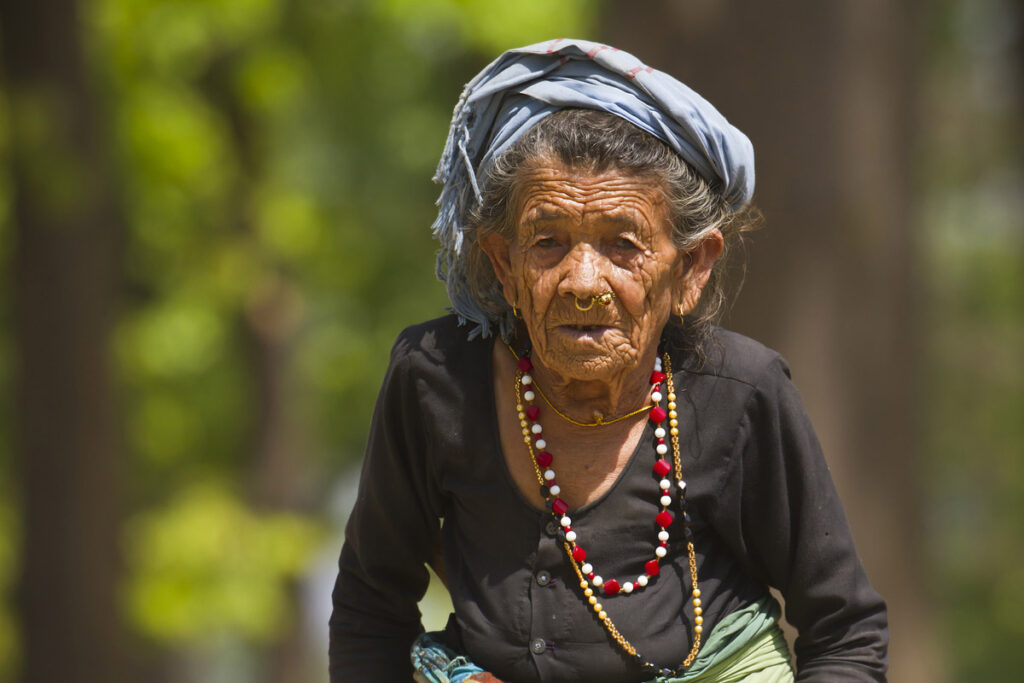
Today, they are a part of the present-day Bhutia community, and only a few Dukpa people remain in Darjeeling. But in North Bengal, they inhabit the scrubs of unexplored hilly villages, Buxaduar, Chunabhati, Tasigaon, Lepchaka, and Adma. They make their living from agriculture and small-scale animal husbandry. They produce rice, cardamom, maize, and millet, while animals like pigs, goats, and fowl can be found in almost every household.
The community celebrates its own traditional festivals and observes certain rituals specific to them. Drugpas celebrate (i) Lhabab Duchen (the Descending Day of Lord Buddha from Heaven) on the 22nd day of the ninth lunar month, (ii) the blessed rainy day, (iii) the birth of Guru Padmasambhava or Guru Rimpoche, and (iv) their new year, Losar. While people living in the villages of Darjeeling celebrate festivals with color and enthusiasm, the indigenous culture is losing its significance among community members of urban areas. Many members do not remember their folk songs and tales.
The burial rituals of the tribe are different from those observed by other Indian tribes or even Tibetans. They await instructions from the Buddhist Lamas in Bhutan before performing the last rites of the dead. Indajan Dukpa, a resident of Lepchaka village, says, “We have to keep the bodies inside the room and wait for the instruction. Once the instruction comes, then we will take the body out of the house according to their instructions. If there is no door on that side of the house, then we will have to break the wall and take the body out for cremation.”1 Until the funeral, the dead body is not left alone, and one person always accompanies it till the funeral. Sometimes the instructions may take a few days or weeks before their arrival, but the community is not deterred from the practice. In one shocking instance, the villagers had to burn down the entire house, as per the instructions of the Lamas, to protect the villagers from the omen of the dead.
While the community lives peacefully, they are rapidly vanishing due to ill health and malnutrition. The community to date depends on witch-doctors and oracles. The remoteness and inaccessibility of the Indian villages deprive them of basic necessities, like sanitation, health, education, and even pure drinking water. At the same time, many Dukpas are getting converted to a different religion to gain subsidies and benefits of that religion (2).
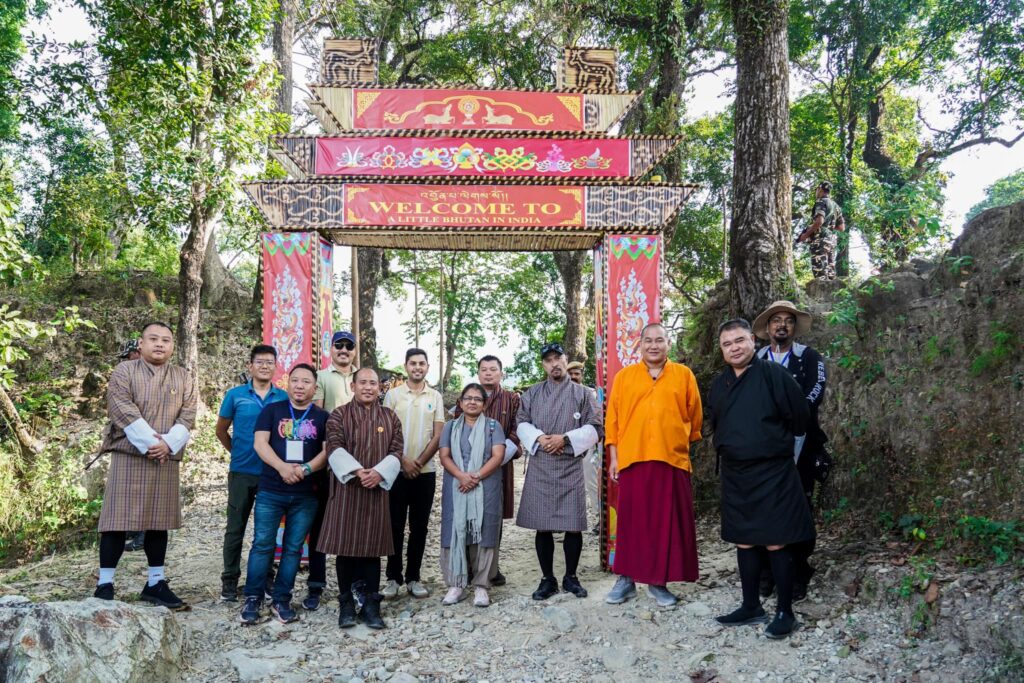
The Association for Conservation & Tourism (ACT) organizes the Dukpa Living Heritage Festival at Lepchaka to promote the culture, tradition, cuisine, and handicrafts of the ethnic group. The three-day festival utilizes stargazing in the night sky, along with beautiful orchards and wildflowers, to attract visitors. The sustainable tourism framework can be used at Buxa Hill and other villages to encourage tourism initiatives. It could provide employment opportunities to community members as tour guides, promote conservation efforts to protect traditional craftsmanship, revitalize traditional culture and cuisine, and involve the community in the decision-making process concerning their land and community (3). The Living Heritage Festival aims to showcase to the world the incredible cultural heritage and crafts of the community. While its natural beauty could be used to encourage tourism initiatives, the development and maintenance of roads is necessary to attract visitors. The forest department responsible for Buxa Tiger Reserve and Border Area Development Programme could adopt strategic actions to develop the region.
Sources
1. Some practises of Dukpa tribe might shock the world, ETV Bharat
2. DUKPA, the vanishing TRIBE, The Statesman
3. Indigenous tourism and the sustainable development goals, Science Direct