
History books often skip the juiciest bits of information. But stories of royal families and proud individuals form only one part of history. The other half comprises a dynamic society dealing with the most scandalous affairs. The events of the East have interested people for several centuries. This article brings to you 10 of the most infamous scandals of British India that made headlines in international newspapers.
1. Victorian Sex Scandal of hyderabad
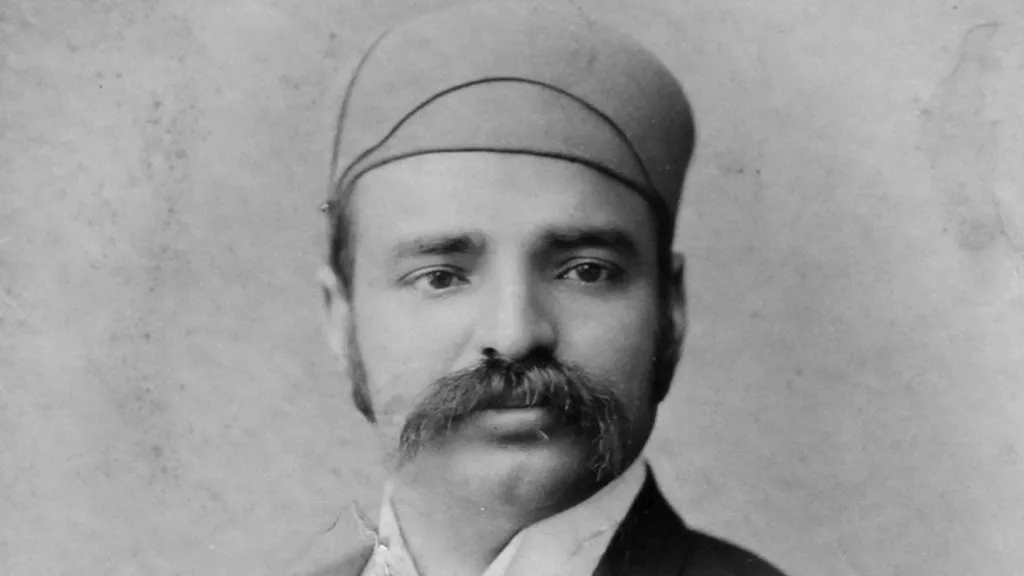
The royalty of India, at times, created the best scandals of the century. Mehdi Hasan, a 19th-century Indian lawyer from Lucknow, relocated to the princely state of Hyderabad after being appointed there. He lived with his Indian-born British wife, Ellen Gertrude Donnelly. Ellen was born into a poor European family in Lucknow and converted to Islam after marrying Hasan. She even adopted the purdah custom. But their life was about to change drastically, for better and worse.
In Hyderabad, Hasan became successful and achieved high administrative positions. Soon, he became the Chief Justice of the court of Hyderabad and later the Home Secretary. He received invitations to several elite gatherings and enjoyed a high status with his wife. The duo became a power couple long before the word was in vogue, and at a time when Indians were prohibited from having even casual relationships with the English, let alone getting married. They were even invited to London to meet Queen Victoria.
However, their quick rise to success created more foes than friends. The members of the imperial rule conspired against them. On the morning of 8th April, an eight-page pamphlet was published in English and widely circulated in Hyderabad, which eventually ruined the happy world of the couple. The anonymous author(s) of the pamphlet targeted Ellen and made three primary accusations: (i) Ellen used to be a prostitute before her marriage to Mehdi, and the author, along with other men, had used her services for their exclusive sexual pleasure; (ii) Mehdi and Ellen never married; and (iii) Mehdi shared Ellen with the elite of Hyderabad to win favors.
Nobody knew if the scandal was true or a conspiracy, but it ended the luxurious life of the couple and ruined them. It was widely reported and discussed in the newspapers of India and England for months (1).
2. Anglo-Indian Secret Love
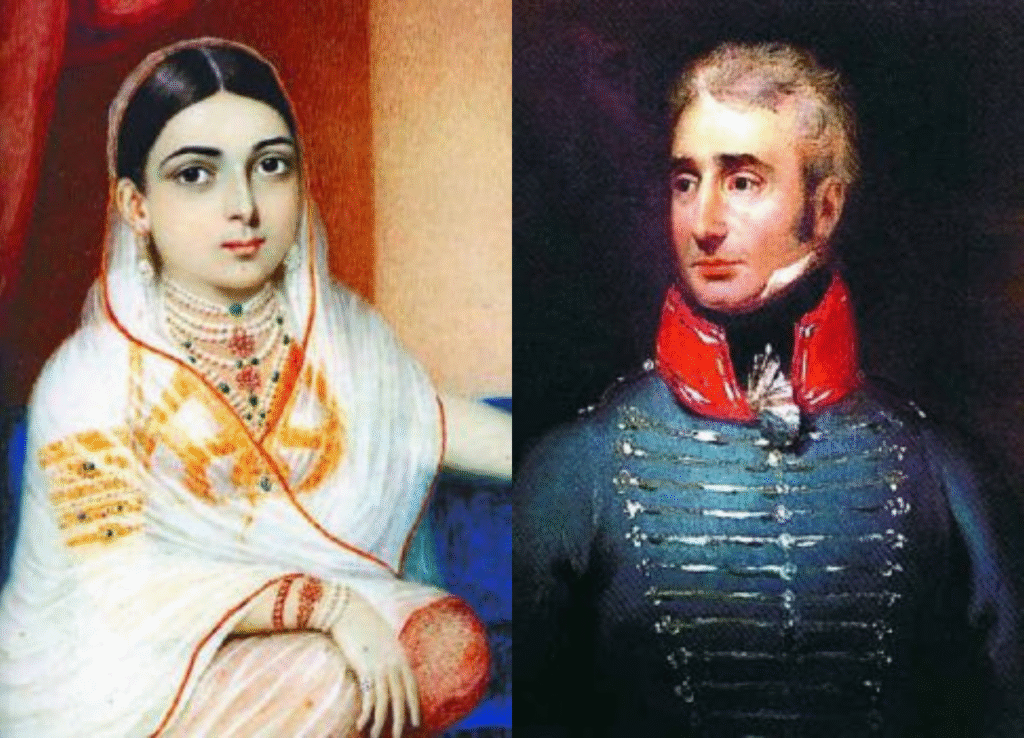
During the beginning of the 18th and 19th centuries, a swoon-worthy love story unfolded in the court of the Nizam of Hyderabad. A British Resident, full of ambitions and determination to control a nation, and a 14-year-old Hyderabadi noblewoman, met each other during the wedding ceremonies of the sister of the Nizam. Khair-un-Nissa fell in love with the White Mughal James Achilles Kirkpatrick, standing across from her.
Khair and James fell in love and decided to keep their affair a secret. Later, Kirkpatrick converted to Islam and married Khair in a private ceremony. After his marriage, he started working against the English East India Company and for the Nizam of Hyderabad. In 1801, their relationship became public and created one of the major royal scandals of British India.
When the news of their mixed marriage broke, the elite of the Nizam refused to accept their marriage. They stated Khair-un-Nissa was a royal and a descendant of the Prophet, hence she could not marry someone below her status. The British, too, viewed this marriage as a betrayal and called James to Calcutta. As a punishment, their two children were sent off to their grandfather in London. In 1805, James died of a violent fever, and, a decade later, Khair died miserable and heartbroken (2).
3. Scam of Approximately $45 Trillion
The British siphoned off almost $45 trillion from India during their rule.
A popular opinion among British scholars is that ‘Britain helped develop India’, and that ‘Colonising India was a cost for Britain and an act of benevolence’. However, a look at the official records of the colonial rule shows otherwise.
In 1757, the English East India Company conquered Bengal and thus began the flow of wealth from India to Britain. More wealth was being sent out of India than was being brought in, resulting in a net loss. The administrators imported finished goods into Indian markets at high rates and exported the raw materials at a bare minimum. A trade imbalance occurred with the British controlling the entire trade over the subcontinent by 1765. The government collected taxes from residents of India and used about a third of the revenue to buy Indian goods for Britain. In this way, they did not spend a penny from their pockets. At the same time, they acquired high-quality handmade products for ‘free’. India also served as a treasury for payments of salaries to British personnel, who invested in their home country, and sponsored war and administrative expenses (3).
The drain lasted till the British ruled India. Early Indian economists and nationalists called this ‘Drain of Wealth’, happening from the late 19th and early 20th centuries. Many international scholars of the time called this a scam, but the British justified the payments as a return for the services of a civilized nation to an uncivilized one.
4. Mussoorie Murder scandal inspired the queen of crime
Agatha Christie is undoubtedly the ‘Queen of Crime’. But what’s better than a murder mystery from the Queen herself? A real-life murder mystery that inspired her first book (4).
In the quiet hills of Mussoorie stood the hotel of the Savoy. It was built by an Irish barrister on a site where, allegedly, a school had existed earlier. The hotel was a popular destination in Mussoorie for the affluent British population. It was an escape from the intense heat of India, also infamous for illegal activities. In 1911, a 49-year-old spiritualist, Frances Garnett-Orme, arrived at the hotel with her friend Eva Mountstephen, who also practised spirituality. One fine evening, Mountstephen left for Lucknow for some ‘urgent’ work, leaving Garnett-Orme alone at the hotel. The very night, the latter was found dead in her room, locked from the inside and poisoned using prussic acid.
A series of investigations followed, and Eva Mountstephen was held as the prime suspect. It was believed she tampered with the sodium bicarbonate-based medicine bottle of Frances. However, due to a lack of evidence, she was acquitted, and the case was closed, unsolved to date.
The Mussoorie murder quickly gained international attention. It was reported in the Australian and British newspapers, which covered every detail of the ‘Mussoorie murder trial’. Interestingly, it reached the ears of Rudyard Kipling, who gossiped it to Sir Arthur Conan Doyle, and ultimately to Agatha Christie. What a thriller!
5. Rolls-Royce or Garbage Trucks?
Do not judge a book by its cover. Heard this statement? A royal prince of India proved this saying true, and definitely in the most dramatic way!
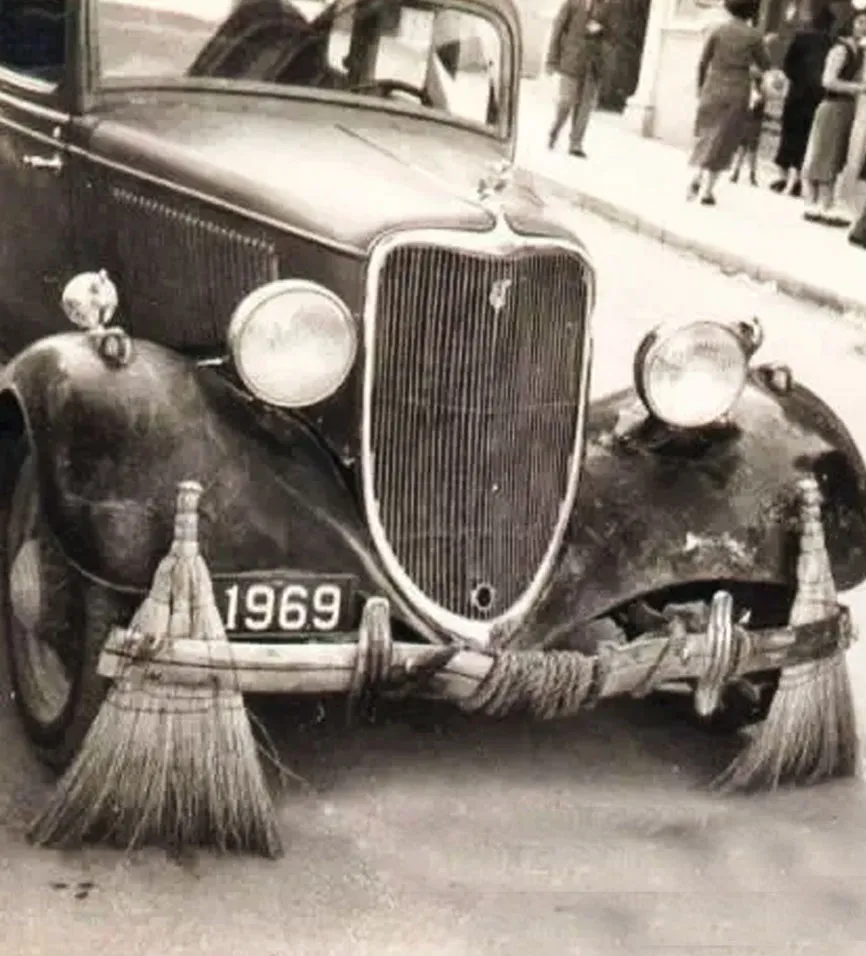
If there is one thing that royalties love to spend on, it’s luxuries. The Prince of Alwar, Maharaja Jai Singh Prabhakar, was no different. Sometime in the 1910s, the prince had travelled to England and was impressed by the Rolls-Royce cars. One fine day, he went to the brand showroom to buy one for himself. However, the staff present there mistook the Maharaja, dressed in regular clothes, for a poor Indian and mocked him. Insulted, the young prince went back to his hotel room, dressed in his royal outfit, and arrived at the showroom once again. The surprised employees laid down a red carpet to welcome Jai Singh, who then bought ten Rolls-Royce cars. But not for what you think!
After coming back to India, he ordered the municipality of Alwar to use these expensive cars to collect garbage. This step shocked the British officials, who tried to stop him but failed. The sight of a Rolls-Royce as a garbage truck on the Indian streets created one of the biggest scandals of British India. The company was utterly embarrassed and issued an apology to the prince with an offer to gift him six more cars for free. Jai Singh accepted the apology and restored these cars to their original conditions, thus showing the British not to mess with the pride of the Indians (5).
6. Decapitation of a 16-Year-Old Elokeshi
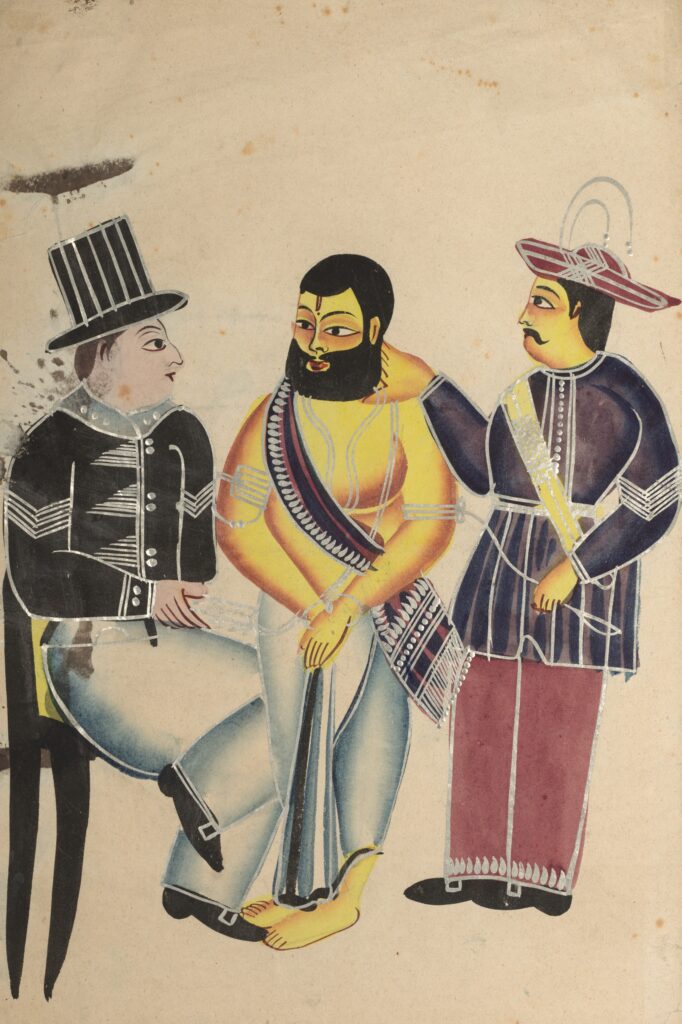
The 19th-century Calcutta headlined for many affairs, the murder of a 16-year-old Elokeshi being one among them. The victim was the wife of Nobin Chandra, a government employee working at a printing press. The couple was unable to conceive and hence went to seek the famous ‘fertility medicine’ of a chief priest at the Taraknath Temple.
It is said that one thing led to another, and soon an affair started between Elokeshi and the chief priest. When Nobin got to know about this, he slit Elokeshi’s throat using an Indian boti (iron blade vegetable cutter) on 27 May 1873. The horrifying murder created a sensation in the country and abroad.
Both Nobin and the chief priest were tried for their crimes and jailed for three years. After serving their term, the chief priest got reinstated, and Nobin merged into the crowd. Shockingly, among all this stir, the object of public sympathy was not Elokeshi but rather his husband! From paintings to plays, he was hailed as the victim, and the murder of Elokeshi was justified as an act of honor and self-defence (6).
7. Malabar Hill Tragedy – A Case of Obsession
In 1925, a rich businessman was shot dead, and the face of his female companion was slashed at the Malabar Hills, Bombay. The victim was young Abdul Kadir Bawla, a rich businessman in textiles and the youngest municipal officer of Bombay. He had given refuge to a 22-year-old Mumtaz Begum, a courtesan on the run from the princely state of Indore, at his house.
At the time of the murder, the couple was in a car with three other people when another car overtook theirs, forcing them to stop in their way. The other car belonged to the attackers who shot the businessman and tried to kidnap Mumtaz. However, a group of British soldiers passing nearby had arrived at the murder scene after hearing gunshots, and prevented them from taking Mumtaz away.
Bawal passed away after a few hours of the attack, and a court trial began. The investigations revealed the involvement of the ruler of Indore in hiring the attackers and the murder. Mumtaz used to live in the harem of the ruler of Indore, Maharaja Tukoji Rao Holkar III, who was reportedly obsessed with her. He did not allow Mumtaz to meet anyone without surveillance and prohibited her from visiting her family. Mumtaz escaped the princely state after her newborn daughter was killed, but the ruler was allegedly keeping tabs on her whereabouts. The Malabar Hill incident was an attempt by the ruler to bring Mumtaz back, but it backfired.
As Indore was an important princely state under the direct administration of the British Crown, the Malabar Hill tragedy blew up nationally and internationally. The immense pressure from the government and the British Parliament forced the ruler of Indore to abdicate the throne in favor of his son (7).
8. Maharaj Sect or Female Exploiters
The conflict between a religious establishment and a social reformer is an ongoing reality of any society. A confrontation between two such parties in 1862 became a sensation of the era. Karsandas Mulji, a journalist, wrote a series of articles that accused a Hindu sect called Pushtimarg of sexual relations with women followers of the sect.
The articles targeted Jadunath Brajratanjee Maharaj, the religious leader of the sect. It mentioned that he asked his followers to offer female members of their family to the leaders (maharaj) of the sect as a sign of their dedication. These articles were published at a time when the educated men of society were launching campaigns against social evils and superstitions. The accusations raised a nationwide protest from both the followers and the reformers.
On 14 May 1861, Jadunath Maharaj filed a defamation case against Mulji and his publisher. The case was presided over by a British judge. The final judgment ruled in favor of Mulji and his publisher, claiming the articles brought to light the backwardness and orthodox practices of the Pushtimarg sect and hailing Mulji as ‘Luther of the East’. Though the case did not immediately impact the following of the Pushtimarg sect, over the years, people started to establish temples independent of the sect leaders (8).
9. Man-Made Famine and Mass Killing
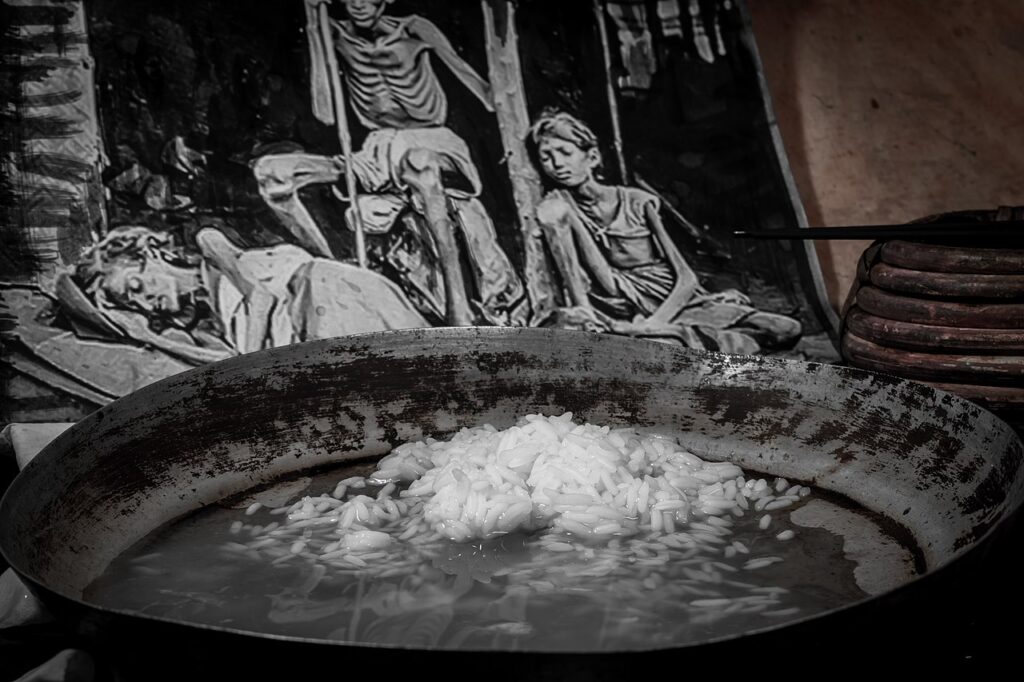
In 1943, the world was engaged in WWII, but the people of Bengal were embroiled in a different struggle for life. The British province largely depended on rice cultivation to meet its staple dietary needs. In the summer of 1942, many events increased the fear and tension in society.
The Japanese invasions of Burma in 1942 suddenly stopped the import of rice from the neighboring country. As a result, Bengal came under direct threat of Japanese invasion, which created chaos in society. People started hoarding rice supplies for any future crisis, leaving a very small amount available for immediate consumption. The administration removed a large quantity from the market to feed the British soldiers at war. Hence, the remaining produce was largely insufficient to feed the public of Bengal. Moreover, a strong cyclone in October 1942 destroyed the fresh, unharvested crop. All this resulted in the 1943 man-made famine of Bengal
In 1942-43, the official figures state that more than three million people lost their lives due to hunger, making it one of the deadliest famines. Many international newspapers discussed this famine; in Britain, debates discussed the shortcomings and selfish interests of Winston Churchill and his government (9).
10. The Curse of the Koh-i-Noor
The most desired and celebrated diamond today has a history of a curse following it. The Koh-i-noor diamond in its life has passed down through several empires in India, travelled to Persia and Afghanistan for some time, then back to India, and today resides in the Crown of the UK royalty. However, wherever it went, the diamond is said to have carried the infamous curse of destroying the lives of its male owners.
The heirs of many empires were ripped from power when in possession of this diamond. The kingdoms collapsed one after another, soon after the male ruler owned it. The diamond came into the hands of the English East India Company in 1849, and after a few years, they were brought to the ground due to the Revolt of 1857. It is said that the ship carrying the diamond from India to Britain met with a series of unfortunate incidents, like a cholera outbreak and a typhoon.
When it reached the royal household of Britain, history says that the Koh-i-noor diamond was put on the Crown of Queen Victoria, and since then, no male heir to the throne has dared to wear the diamond. It has safely resided on the heads of the female counterparts of the monarchy. And with the diagnosis of Charles III, the reigning emperor of the UK, with cancer, the curse of Kohinoor is yet again in discussion (10).
The scandals of British India not only shook the nation but also became a sensation internationally. The gossip spread rapidly and came under heat from global politicians and citizens. While some issues were debated in the English parliament, some scandals led to heartbreak and separation, yet others led to abdication of the throne and mass death.
Sources
1. ‘The Victorian sex scandal that shook India,’ BBC, https://www.bbc.com/news/world-asia-india-49068432
2. ‘A love story that broke the conventional boundaries of Empire,’ BBC, https://www.bbc.co.uk/programmes/articles/18SDBJqWwgc7VLDM7MhGK2S/a-love-story-that-broke-the-conventional-boundaries-of-empire
3. ‘How Britain stole $45 trillion from India,’ Al Jazeera, https://www.aljazeera.com/opinions/2018/12/19/how-britain-stole-45-trillion-from-india
4. ‘Agatha Christie: The Indian hotel murder that inspired the queen of crime,’ BBC, https://www.bbc.com/news/world-asia-india-67943375
5. ‘Meet the Indian Royal, a Maharaja from Rajasthan, who once purchased 10 Rolls-Royce cars for revenge, booked a five-star hotel suite for his horse,’ GQ India, https://www.gqindia.com/content/meet-the-indian-royal-a-maharaja-from-rajasthan-who-once-purchased-10-rolls-royce-cars-for-revenge-booked-a-five-star-hotel-suite-for-his-horse
6. ‘Jailer Receiving the Mahant of Tarakeshwar in Prison,’ Cleveland Museum of Art, https://www.clevelandart.org/art/2003.105
7. ‘A murder that shook British India and toppled a king,’ BBC, https://www.bbc.com/news/articles/c70e0drd480o
8. ‘As ‘Maharaj’ is stayed, issue of freedom of expression raised in 1862 libel case returns to life,’ Times of India, https://timesofindia.indiatimes.com/entertainment/hindi/bollywood/news/as-maharaj-is-stayed-issue-of-freedom-of-expression-raised-in-1862-libel-case-returns-to-life/articleshow/111001263.cms
9. ‘Bengal famine: Tracking down the last survivors of WW2’s forgotten tragedy,’ BBC, https://www.bbc.com/news/world-asia-india-6831152010.
10. ‘Kohinoor’s Dark Secret: Is King Charles’ cancer linked to the cursed diamond infamous for fall of Khilji Empire and East India Company?,’ The Economic Times, https://economictimes.indiatimes.com/news/international/world-news/kohinoors-dark-secret-is-king-charles-cancer-linked-to-the-cursed-diamond-infamous-for-fall-of-khilji-empire-and-east-india-company/articleshow/107476726.cms?from=md