The aura and zeal of educated Indian men and advocates of nationalism and anti-imperialism dominated 19th-century Calcutta. Amidst the chaos of the city and loud cries of reformers, a young woman, barely out of her teens, rose from the shadows of a red-light district of Calcutta to become the brightest star of Bengali theatre. She poured her heart and soul into her craft, helped establish one of the most iconic theatres in the city, yet stereotypes and social notions stripped her contributions when it came to naming that very stage. That pioneering woman was Binodini Dasi, or as history remembers her, Noti Binodini. For about 140 years, her name remained forgotten from the marquee of the Star Theatre of Kolkata, or shall we call it Binodini Theatre.
Binodini Dasi
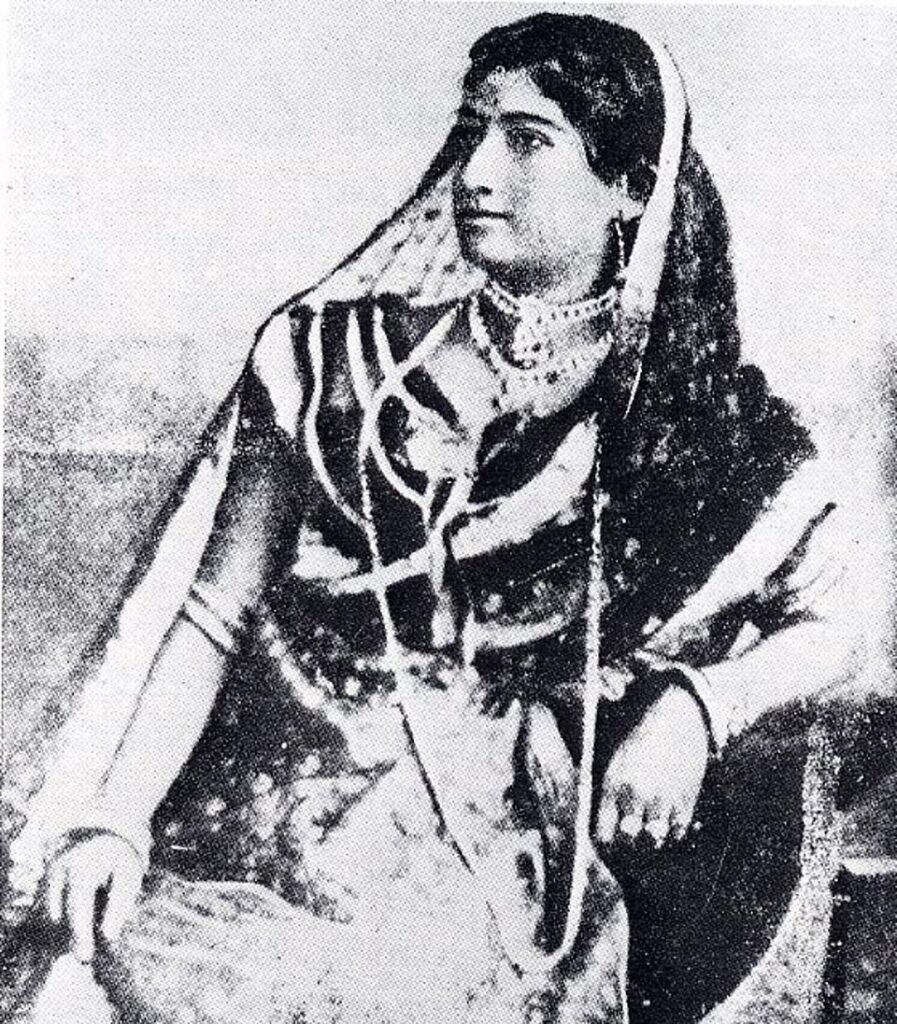
The story of Binodini Dasi is one for the ages. She was born in 1863 to a sex worker with little means; her brother was married off at the age of five, and the dowry was used to buy food for the family. She entered the world of theatre at the age of 12, an unconventional and much-controversial choice at the time. But what she lacked in privilege, she more than made up for in talent and determination.
She saw her first play at the age of nine and was left awestruck and inspired. Under the mentorship of Girish Chandra Ghosh, the ‘Father of Bengali Theatre’, Binodini performed her first role in Calcutta’s National Theatre in 1874. She blossomed into an extraordinary actress, and her performances in plays like Chaitanya Leela and Kapalkundala were legendary. She was known for her ability to embody complex characters with emotional depth—a skill that left audiences spellbound.
But Binodini wasn’t just an actress; she was a trailblazer. She introduced innovative makeup techniques and costume designs that elevated stagecraft in India. And yet, despite all her contributions, society never let her forget her humble beginnings. She was celebrated on stage but shunned off it—a heartbreaking reality for many women in the performing arts during that era, and still a harsh truth in the 21st century!
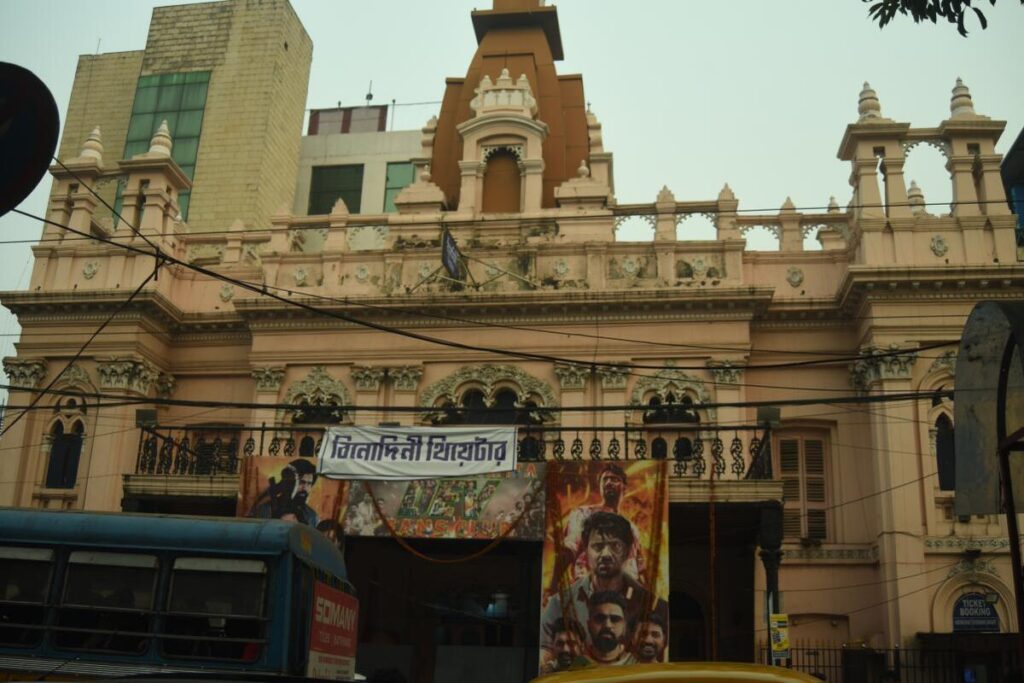
The Star Theatre or Binodini Theatre
In 1883, when Kolkata was buzzing with cultural activity, thanks to the “Bengal Renaissance”, Girish Chandra Ghosh decided to establish a permanent theatre space where Bengali plays could thrive.
Binodini not only performed tirelessly to raise funds for this new theatre but also contributed financially — an unheard-of gesture for an actress at the time. Gurumukh Roy, a young businessman, had offered to fund the construction of the theatre if Binodini would agree to become his mistress. A young, aspiring, and dedicated Binodini agreed to the compromise on the promise that the theatre would be named “B. Theatre” after her. But when the time came to fulfill the promise, societal prejudices reared their ugly head. The theatre was instead named “Star Theatre,” erasing any trace of the young actor’s involvement. Some sources suggest this betrayal might have been the reason Binodini stopped acting at the peak of her career.
A theatre that depended on her fame and talent for finance refused to name the same on her name in fear of losing the financial support of the educated. Hypocrite much? In her autobiography Amar Katha, she expressed her disappointment clearly: “I gave my youth to the stage…and yet they could not give me even this small honor.”
In 2024, West Bengal Chief Minister Mamata Banerjee announced that the Star Theatre at Hatibagan (the original theatre where Binodini performed was at Beadon Street) would be renamed Binodini Theatre in honor of its true founder. This renaming is not only symbolic but deeply cultural. It acknowledges the role women like Binodini played in shaping Indian performing arts and its culture while challenging the societal norms that wanted to silence them.