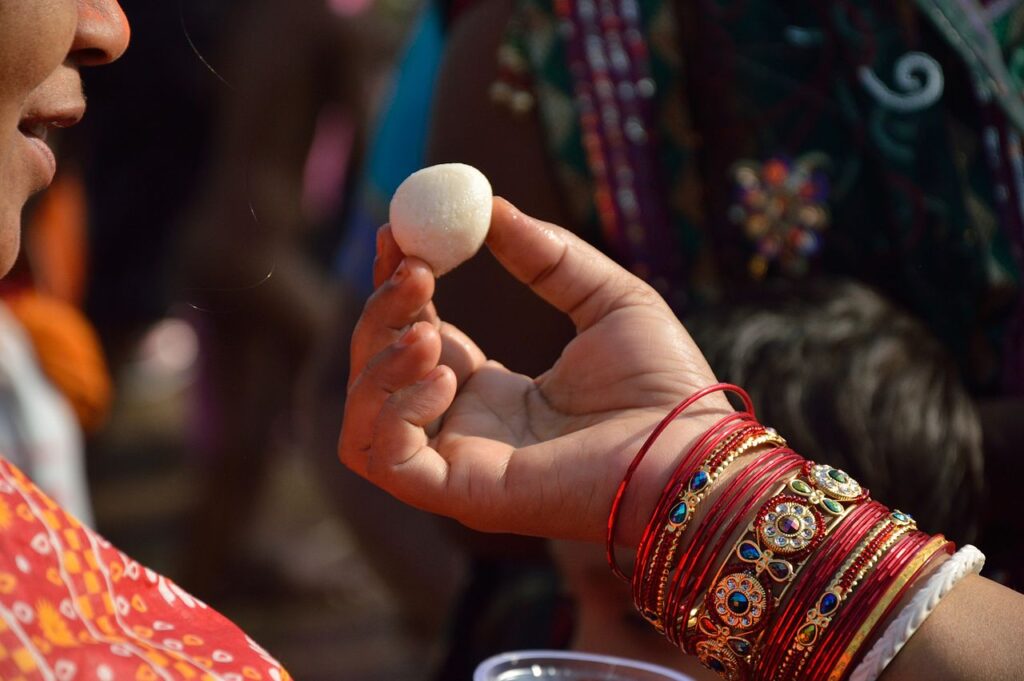
If you have ever visited Kolkata, you have definitely tried the famous ‘ROSSOGOLLA’ or rasgulla. The sweetmeat melts in your mouth and successfully teleports you to the Sweet Land, where all your worries cease to exist just for a few seconds. This sweet surprise was a surprise invention as well. Let’s take a dip in the sweet history of rasgulla.
Nobin Chandra Das – The Moira
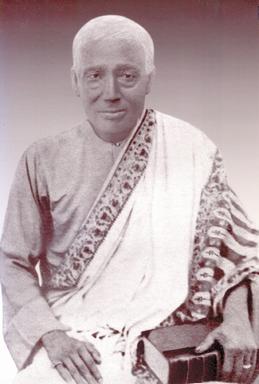
Nobin Chandra Das, aka the Columbus of Rossogolla, was a Bengali confectioner of 19th-century Bengal credited with inventing rossogolla. He came from a family of sugar merchants and started his career working for a family of Bengali confectioners in Nadia district. However, he was continuously insulted here. Naturally, he left the place and opened his own sweetmeat shop in Jorasanko in partnership with his friend.
His family did not take the news kindly. The social constraints of the time and their reputation as prosperous sugar merchants made them disagree with his decision to become a sweetmeat seller, referring to him as the “moira” (a profession not held in high esteem in 19th-century Bengal). Soon, ill-fate hit Nobin; he had a falling out with his friend and had to shut down his shop. In those days sweetmeat business worked significantly on a credit system; the lack of available cash made it difficult to sustain the business. However, he did not give up and, in 1866, opened another shop.
His shop became a hanging place for old, retired men and unemployed youths. Its attraction was the unsold sweets, which they would enjoy at the end of the day. However, they encouraged Nobin Chandra to introduce a sweet different from the customary sondesh – a soft, succulent sweet, as opposed to the dry and hard texture of sondesh. He found in them a supporter of his dreams and the push he needed to experiment.
Nobinmoira – Rossogolla Connoiseur
Nobin’s love for sweets and the zeal to make an unheard-of sweet dish led to countless experiments and the ultimate invention of Rossogolla. Connoisseurs of sweets fondly remember him as “Nobinmoira”, a name that changed from being a taint to his name to a pride. Intellectual and high-class Bengalis, who till then had used the word “moira” or confectioner cynically, came to lace it with reverence when linking it with Nobin Chandra’s name. The legendary “Nobinmoira” was born out of and sustained by a deep and abiding love: the love a Bengali has for their sweets. At the same time, in the absence of any promotional media that we have today, the sweet shop of Nobin remained a local shop.
His fate changed when a wealthy timber merchant, Raibahadur Bhagwandas Bagla, drove in front of his shop in a carriage with his family. One of the children of the businessman was thirsty, and the carriage had stopped in search of water. Nobin Chandra offered his usual hospitality and gave the little boy water to drink along with a “Rossogolla”. The child was happy with the taste of this unique delicacy and offered his father a share. The father was equally impressed and immediately bought a large quantity for his family and friends. This unorthodox ‘word of mouth’ proved immensely useful.
Consequently, Nobin Chandra and his “Rossogolla” became famous in no time. Contrary to the advice of his friends and admirers to take out patents, he taught the intricacies of Rossogolla-making to numerous sweetmeat makers, making it a famous Bengali sweet delicacy found in every sweet shop. He believed his creation could gain popularity only if available in all the sweet shops across the city.
Dr. Pashupati Bhattacharya, a renowned medical practitioner of Bagbazar, would invariably buy Nobin Das’ Rossogolla before visiting Rabindranath Tagore. One day, the Rossogolla stock was exhausted in Nobin Das’ shop when Dr. Bhattacharya arrived. He had to purchase from an adjoining shop. Surprisingly, Rabindranath felt the difference and asked him to bring Rossogolla from Nobin’s shop only.
“Aabar Khaabo”
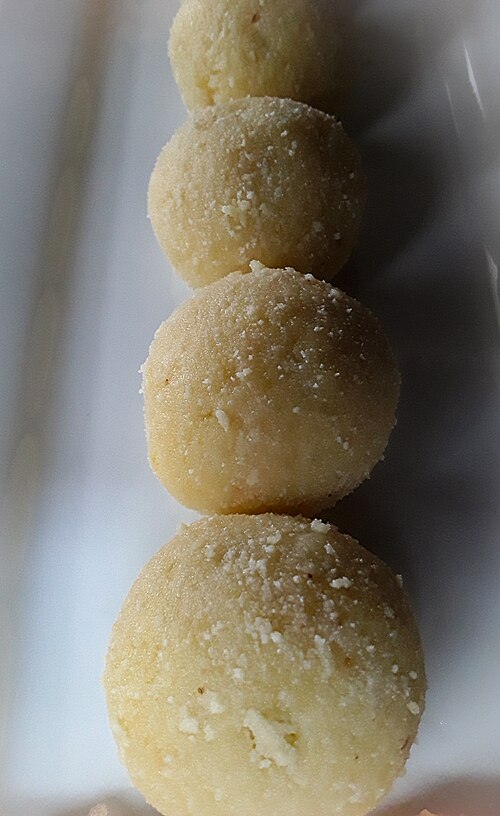
While rossogolla was his most famous creation, it was not his only creation. When Maharani Swarnamoyee Devi, the dowager of the house of Cossimbazar, complained that there were no more sweets to excite her jaded palate, Nobin Chandra whipped up a delectable confection that made the old lady exclaim “Aabaar Khabo,” i.e., “I want to eat it again!” This was the birth of this now famous variant of the time-honoured “sondesh.”
Nobin Chandra’s confections were also hot spots for the monks of the newborn Ramkrishna Mission, who had set up their fledgling monastery in the neighbourhood. Rakhal Maharaj (Swami Brahmananda), the first president of the Mission and a close friend, confidant, and guide of Swami Vivekananda, reportedly once said in jest, “Nobin has cut off our tongues and holds them hostage.” The “Dedo” or Makha Sondesh was a particular favourite of Sri Maa (consort of Sri Ramkrishna). To this day, this item is sent daily from the Kolkata factory of K. C. Das as an offering to Sri Maa.
Sweet Legacy
He also went on to create Kastura/Kasturi Sandesh, Aata Sandesh (in the shape of custard apple), Kathaal Sandesh, and Baikuntha Bhog. He created the last sweet from the remnants of rosogolla left behind after the latter was made. He mixed these crumbs with “kheer” and added pistachios, raisins, and saffron to make a unique kind of “sondesh” perfect to be served at Vaikunth, the abode of the great god Vishnu.
We document the history of many heritage practices and elements of India, but I feel stories of culinary heritage often get lost within the narratives of other stories. While not completely aloof, stories of food, their history, and significance do not get the light they deserve. Foods are delicious stories of cultural mixing, making them a novel of their own.
If you have not tasted rossogolla till now, this is a sign from the Universe to run to your nearest sweet shop and buy yourself and your loved ones the irresistible sweet. And if you know how delicious this spongy sugar ball is, do you really need a reason to eat it?