Whenever we think of museums, we imagine a four-walled room filled with paintings, artifacts, and manuscripts from the past. An institution where you have to walk through each room to view its collections. But what if I told you you can now go on a virtual museum tour and browse its collections? UNESCO Virtual Museum of Stolen Cultural Objects is the first virtual museum of the world dedicated to tracking and recovering stolen cultural heritage. It was launched by UNESCO in September 2025 at MONDIACULT 2025 in Barcelona, Spain.
The heritage center creates an immersive experience. The core idea behind its inception aims to identify the lost cultural heritage of UN member states. “It recognizes the inextricable link between tangible and intangible cultural heritage and the importance of protecting cultural heritage in all its forms (UNESCO).”
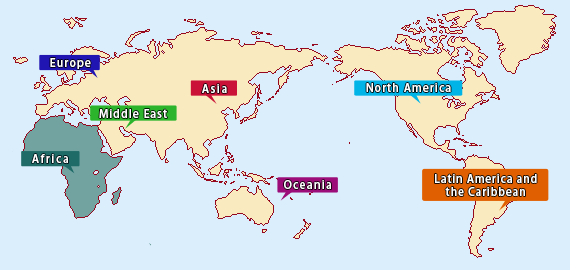
Europe & North America, and Latin America and the Caribbean (Source)
The museum collections are divided into three sections: regions, color, and usage. The world is divided into 5 regions: Africa (52 stolen items), Arab States (37 stolen items), Asia & the Pacific (38 stolen items), Europe & North America (96 stolen items), and Latin America and the Caribbean (59 stolen items). In the colors section, you can see the museum collection divided according to its base colors, like baby pink, beige, white, yellow, etc. In the usage section, you can find categories like Wear It, Combat and Defend, Draw and Sketch, Use it everyday, etc. This documentation increases the chance of recovery of stolen and trafficked traditional heritage as it creates awareness and learning among people and in art markets. It shows how the stolen cultural property affects the rights and identity of the affected community.
The Virtual Museum uses advanced technology to document and digitize the recorded items. The list of reported stolen items was first obtained from the INTERPOL Stolen Works of Art Database, the only international database for official reports on stolen and missing objects of art. Then, the information for the selected items was collected, and a 3D figure of the stolen item was created using 3D modelling, virtual reality, and 3D and 2D digitization. Most of the designs are based either on available images or on the memories of community members and descriptions in official records. This attempt helps bring to light the historical, cultural, spiritual, and shared significance of the theft.

The conceptualization and architecture of the immersive museum were handed to Francis Kéré, the winner of the 2022 Pritzker Architecture Prize. The aim was to focus on the vision of the Organization and its commitment to culture. And deliver he did. The Museum draws its inspiration from the baobab tree, a plant native to the African continent. The tree has a strong cultural significance in the savannah landscape of Africa. From being a symbol of life to the heart of many African folk tales, the baobab tree spreads its shade to create a comfortable living room for elders and kids to sit under together when sharing stories. The idea extends to a universal heritage common to all, like the Banyan and Peepul trees in India. Additionally, the baobab tree also aligns with one of the two global priorities of UNESCO, ‘Priority Africa’.
Cultural Objects from India
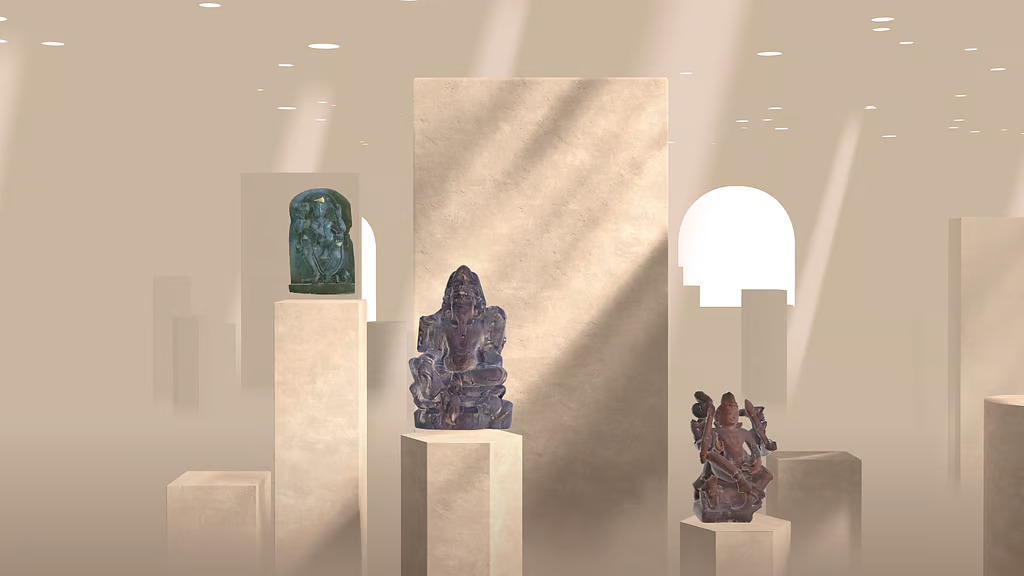
From India, three stolen cultural objects find their place in the list. All the artifacts feature in the Artworks category and are sculpted from sandstone. The statues are of Lord Brahma, Bhairava, and Shiva in the Nataraja position. Lord Brahma and Shiva sculptures date to the 9th century, while that of Lord Bhirava is unknown. The former two once stood in the Mahadev temple in Pali, Chhattisgarh, while the latter belonged to the Bahirav Baba Temple in Dantewada, also in Chhattisgarh.
Over the years, India has recovered many stolen and illegally trafficked artifacts and cultural treasures from international markets and governments. In a recent case, the USA returned 1,400 looted cultural treasures estimated at $10 million to India. These include a sandstone sculpture of the Celestial Dancer looted in the 1980s from a temple in Madhya Pradesh. India has hosted a few exhibitions in Khajuraho and Delhi that display repatriated artefacts to the world. In the Khajuraho exhibit, the text label of the 12th-century Parrot Lady sculpture read “You are viewing me in this exhibition not only as a nayaka [leading lady] but also as a previous victim of illicit trafficking, stolen and forcibly taken far away from my home.” The immersive narration of this 900-year-old sandstone artifact traced its story from being stolen from Khajuraho, trafficked abroad, and returned to India only in 2015. These exhibits and returns emphasise the importance of the repatriation of stolen and trafficked cultural objects. The Virtual Museum works towards the same initiative and responsibility.
The Virtual Museum is a way to honor the culture and history of the communities involved. A way to acknowledge publicly their sacrifices and exploitation by colonial masters and autocratic governments. While the Museum aims to reduce its collection, a lingering worry remains about the maintenance and appropriate protection of the repatriated items due to the lack of infrastructure and available funds. Another drawback includes shelving of the artifacts in the official storage instead of their return to the place of origin or communities.
UNESCO Agreements To Combat Illicit Trafficking and Protection of Cultural Property
UNESCO Convention on the Means of Prohibiting and Preventing the Illicit Import, Export and Transfer of Ownership of Cultural Property 1970
Indian Laws Against Illegal Trafficking and Protection of Antiquities
Antiquities and Art Treasures Act 1972