Nude and eroticism in ancient India were more than mere forms of artistic expression. Plot twist: the shame and hush that surround the two topics today did not exist in those days. Proof? Kamasutra, erotic sculptures lining the outer walls of ancient temples, statues of semi-nude or naked ganikas and yakshinis in the art of artists, depiction of Buddhist and Jaina saints, or ancient male deities unclothed, and many more. These artifacts, literary sources, and artistic expressions go beyond their face value to convey the mindset of society at that time, as well as its beliefs and practices. Let us attempt to remove the shroud of shame and understand why nudity and eroticism found their place in our temples and history.
Nudity And Eroticism In Anceint India Caves and Temples
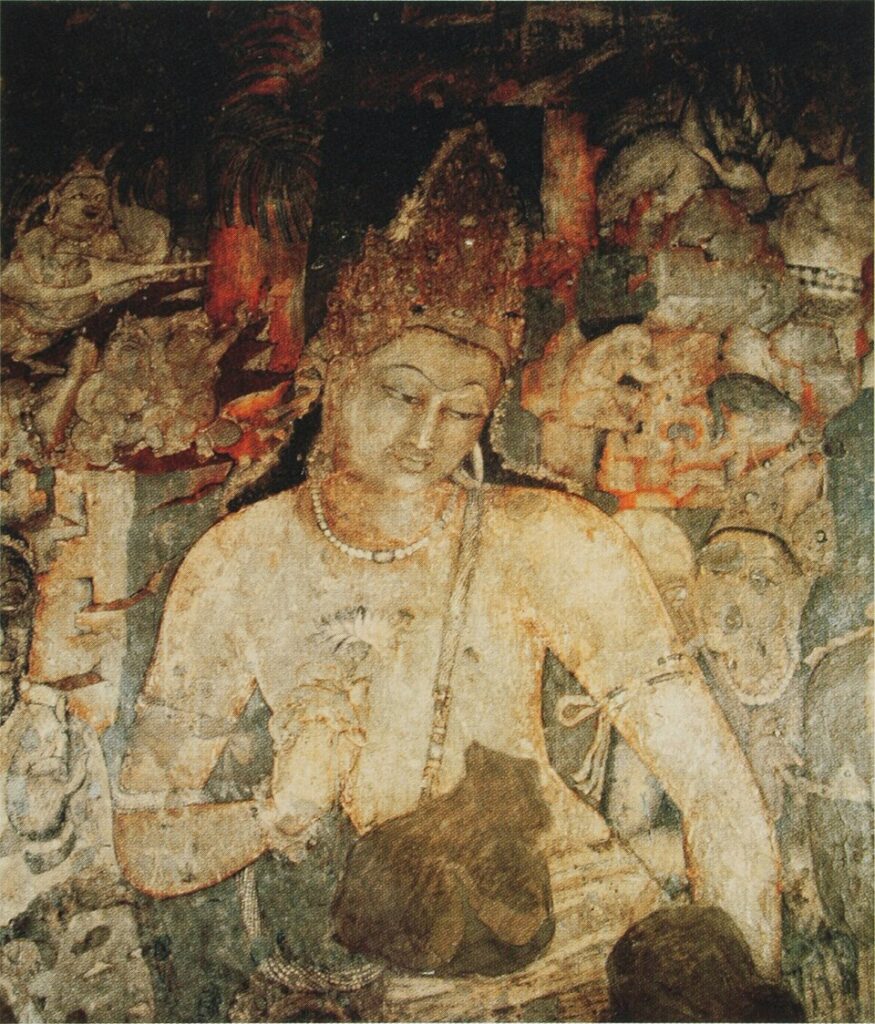
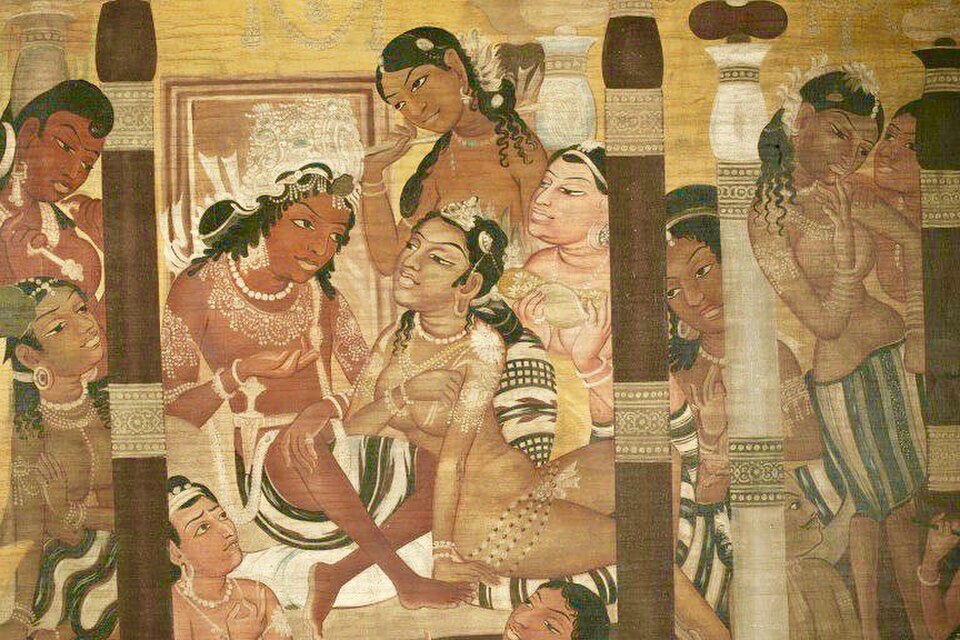
The Ajanta Cave paintings narrate the story of the Buddha’s life in court, some drawn from Jataka tales, while others depict domestic scenes or ascetic renunciation. Various figures appear in the art, including royal women, dancers, courtesans, and maids. The main heroines here are depicted topless, while the maids and the women around her appear clothed. The Ajanta was a monsoon residence for the monks who constructed the cave into 30 viharas (cells) and chaityas (prayer halls). While some incomplete, the artistry in these caves, from paintings to sculptures to carvings, renders Ajanta a living ancient gallery of Buddhist art.
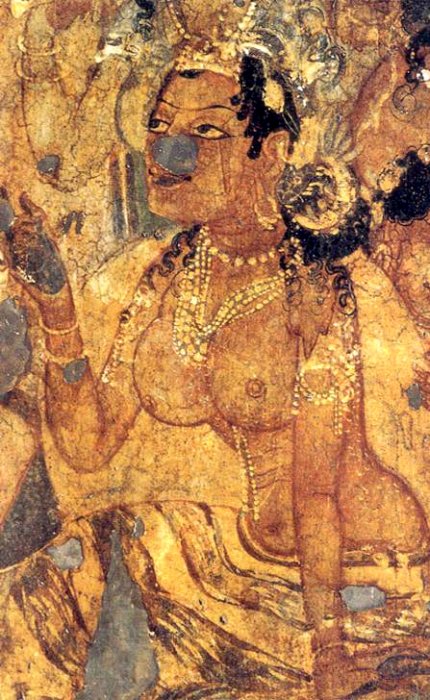
However, in this context, the paintings of heavy-breasted women (Queen Shivala, Mayadevi, apsaras, and consorts of kings and princes) with sensuous expressions and soft curves become even more interesting. An abode of saints lined with sensuous paintings seems out of place today, but at that time, these depictions were the norm. The historians explain this as an artistic attempt to depict the beauty and sacredness of the human body. It beautifully encapsulates the efforts and sacrifices of a monk and shows their level of enlightenment, having risen above worldly pleasures. Here, the body is not a vessel of sin and shame, but rather a vehicle of divinity.
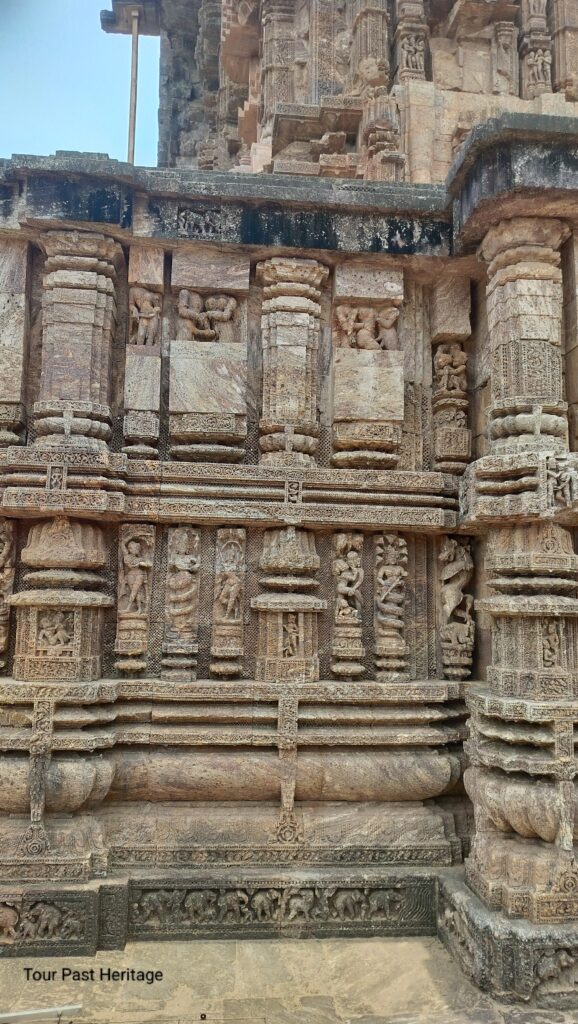
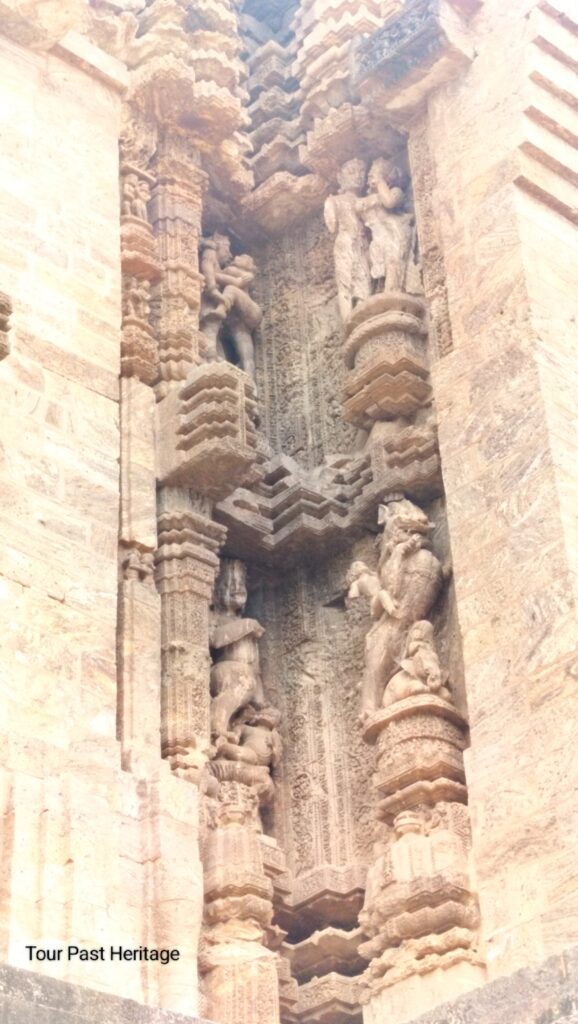
The ancient temples of India, revered for their holiness, are marveled at around the world for their unmatched architecture and precision. One explicit element of this architecture was sculptures of nude or semi-nude ganikas, yakshinis, and men, and they engaged in the acts of love. Khajuraho Temples, Konark Sun Temple, Lingaraj Temple, Osian Jain Temple, Virupaksha Temple, and many others feature erotic carvings on their outer walls. Such an overt expression of love ran counter to the Victorian association of temptation, sex, and women with sin. However, historians have explained these erotic sculptures in ancient India context. The yakshinis and ganikas were considered symbols of fertility, prosperity, and purity, hence their inclusion on the temple walls.
In ancient times, women were revered for their ability to give birth and feed their children. The statues of Mother Goddess and the Dancing Girl of the Indus Valley Civilization are depicted unclothed, indicating the absence of clothes or other items to cover themselves. The tradition of not covering the top portion of the body is not uncommon in India. Often, women in these sculptures are seen either with a sheer cloth or muslin wrapped around their waist reaching till the mid thigh, or wearing a waist ornament with an elongated tail, which would give an illusion of covering the genitals.
The turning point came with the arrival of imperialism in India. The English viewed the body as a vessel of sin and were in a desperate mission to relegate the same in the minds of others. They were abhorred by semi-nude men and women residing in India without any care. As a result, they declared the Indians or the ‘Orients’ as uncivilized and barbarous, in utter need of the guiding light that Christianity alone could provide. Hence, the momentum in India shifted from respecting the sacredness of a body to making it only a vessel of lust and shame.
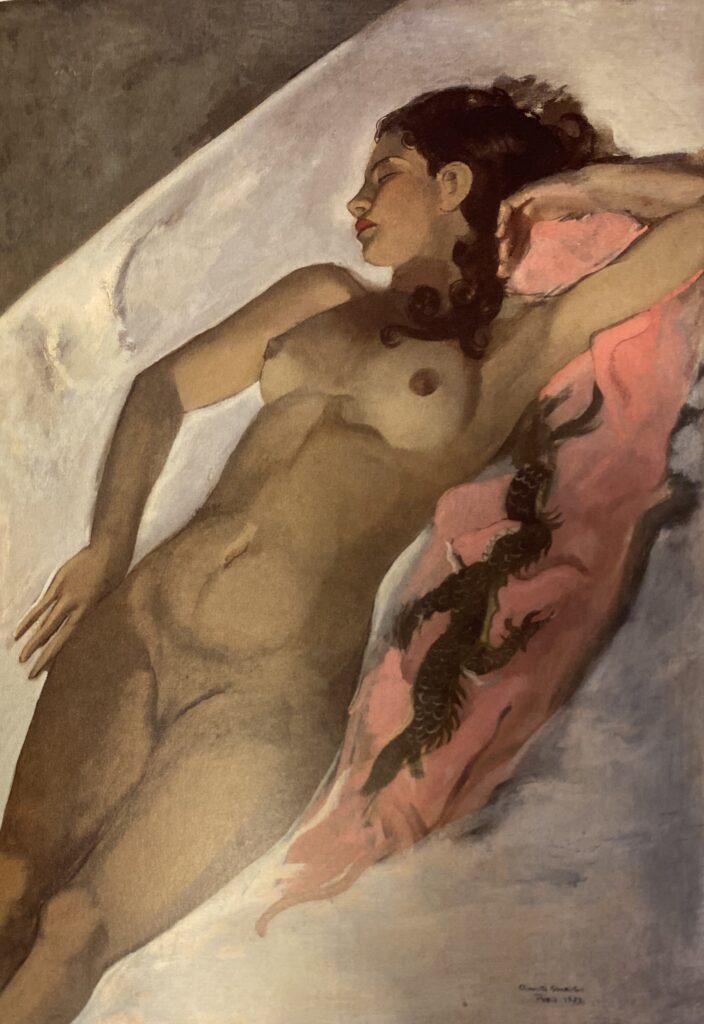
Several Indian artists attempted to break the stereotype that gripped the people over the public display of nudity. Amrita Sher-gil, Chittaprosad, Jamini Roy, F.N. Souza, M.F. Hussain, Raja Ravi Verma, Akbar Padamsee, and many more painted the human body in its utter and uninhibited beauty. Of course, the response to these paintings was to keep them hushed and away from public eyes. F.N. Souza once wrote that he was brought up under colonialism to believe “Hindu Sculpture and Mogul Paintings were graven images of the heathen (1)”. Amrita Sher-gil, a Hungarian-Indian painter, once refused to accept the award for her outstanding excellence at an exhibition, because the same committee had rejected some of her highly acclaimed artworks because they were ‘unsuitable’ for public viewing. These artworks included ‘Nude Group’, ‘Sleep’, ‘Torso’, and many more bold artworks. Surprisingly, Sher-gil’s inspirations were paintings of the Ajanta and Ellora caves. F.N. Souza’s show in Mumbai was shut down because it displayed his nude artworks. Padamsee was jailed, while M.F. Husain was forced out of India after he received death threats owing to his portrayal of Indian goddesses in the nude.
Even after years of gaining independence, India has not been able to uproot this Victorian belief from its mind. If anything, the societal discomfort has increased tenfold over the years, resulting in the ‘sanitization’ of history. The ‘covering’ of the Dancing Girl in the NCERT history textbook by the CBSE has given a first-hand demonstration of the stereotypes that exist in the minds of the people. History reveals the raw reality of society and exposes the truth without any layers. Any attempt to make it comfortable aims to restructure the DNA of the discipline and cause an imbalance. The fear of ‘obscenity’ and ‘inappropriateness’ forced educated people to censor a 4500-year-old bronze statue of a civilization claimed to be one of the most highly advanced in the world. Well, who knew ‘advancement and development’ of the 21st century CE would knock on the gates of 26-25th century BCE.
Sources
1. “The Nude in Indian Art, From the Antique to Independence,” Grosvenor Gallery